

Key Differences Between Die Casting and Investment Casting
In metal manufacturing, High-Pressure Die Casting (HPDC) and Precision Casting (Investment Casting) are two widely used processes. Both can produce high-quality metal components, but they differ in process, performance, applications, and cost—key factors when selecting the right manufacturing solution.
1. Process Principles
HPDC is a fast, near-net-shape process where molten metal is injected into reusable steel molds under high pressure and speed. Parts solidify within seconds, enabling highly automated production cycles of 20–60 seconds.
Precision casting uses the lost-wax process: a wax pattern is coated with ceramic material to form a mold, the wax is removed, and molten metal is poured into the cavity. The process is more complex and time-consuming but allows greater design flexibility.
2. Performance & Material Capability
HPDC delivers high dimensional accuracy (up to ±0.05 mm) and smooth surfaces, making it ideal for thin-walled, lightweight parts. However, rapid filling may cause internal porosity.
Precision casting provides excellent detail reproduction and dense internal structure with minimal porosity, making it suitable for high-performance components requiring complex geometries.
Material selection also differs:
HPDC: mainly aluminum, zinc, and magnesium alloys
Precision Casting: stainless steel, alloy steel, and high-temperature alloys
3. Typical Applications
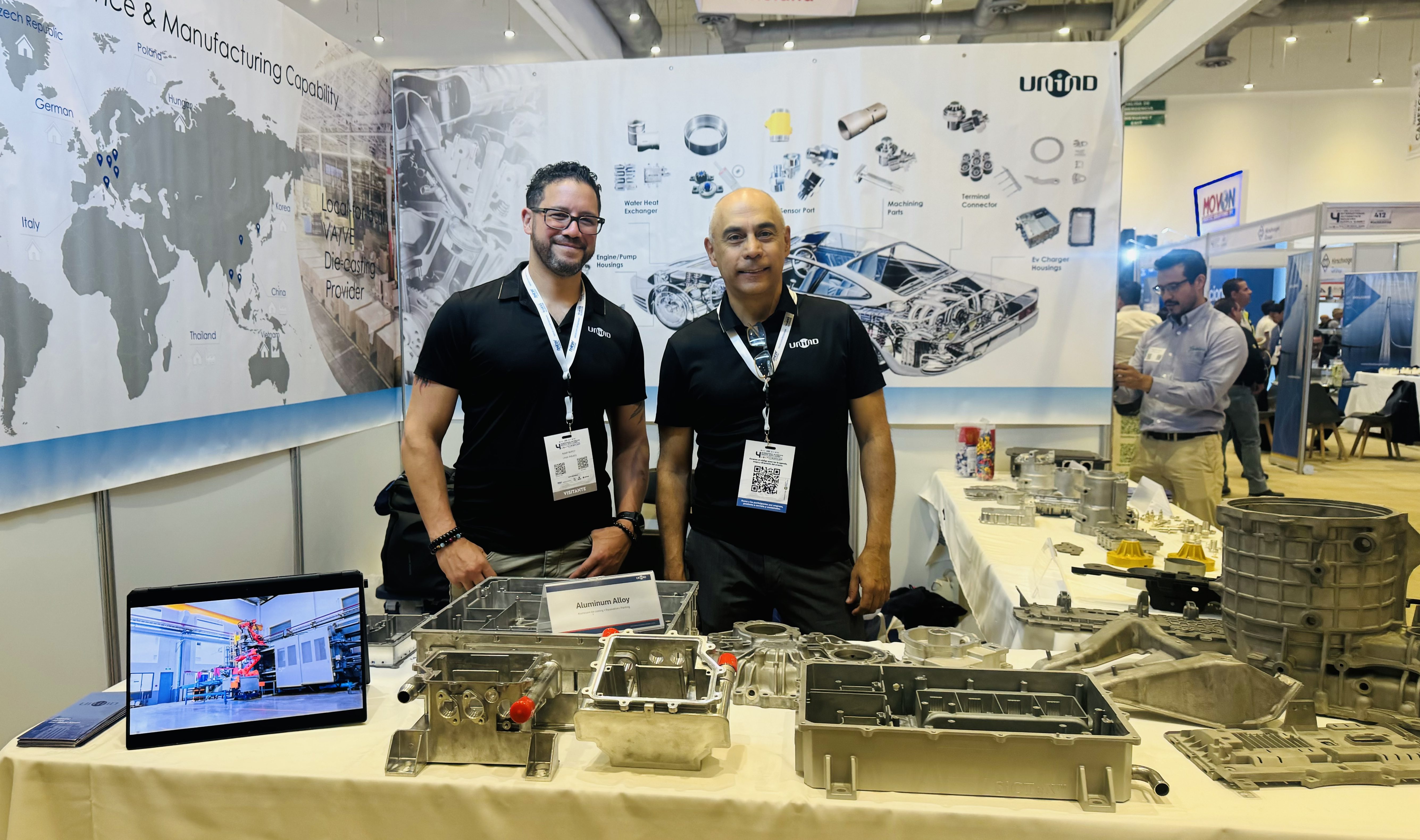
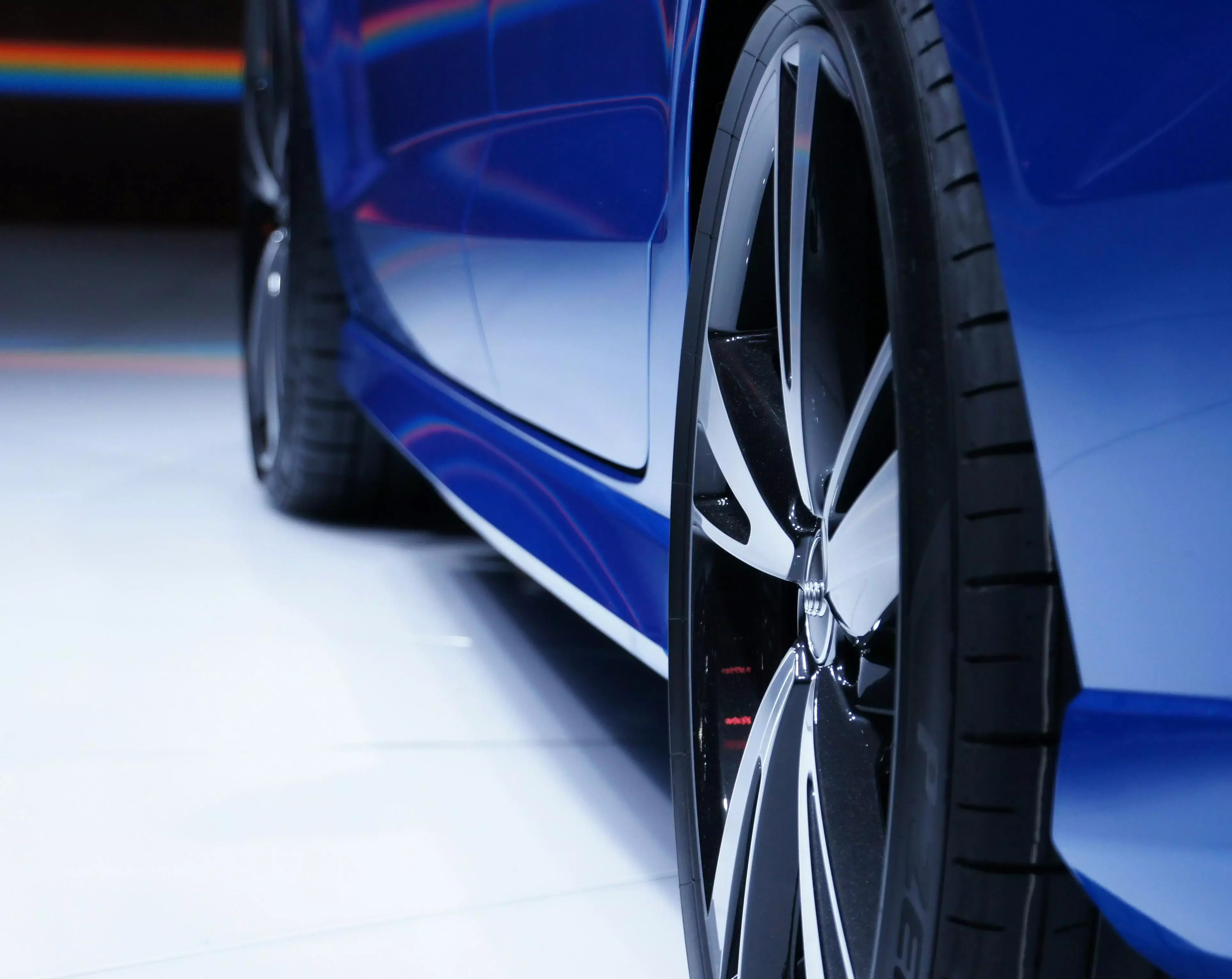
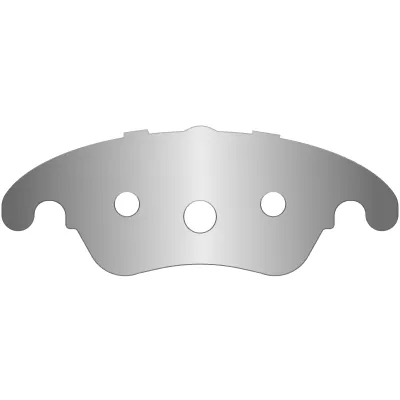
HPDC is best for high-volume production in automotive, electronics, and aerospace industries, especially for lightweight and thin-wall components such as housings, casings, and wheels.
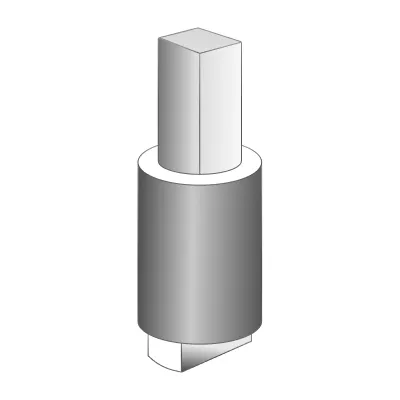
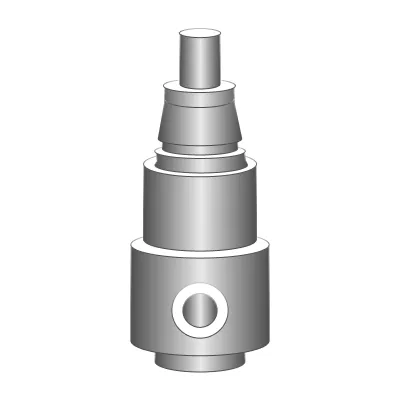
Precision casting is preferred for small- to medium-volume production of highly complex and high-precision parts, including aerospace blades, medical components, valves, and jewelry.
4. Cost & Production Efficiency
HPDC requires high initial mold investment but offers low unit cost and excellent efficiency in mass production.
Precision casting has lower tooling costs but higher per-unit costs due to longer production cycles and greater labor intensity.
Conclusion
HPDC is ideal for large-scale production of lightweight, complex parts where efficiency and cost control are priorities. Precision casting is better suited for high-precision, complex components and special materials where quality and flexibility are essential.
Our company has extensive expertise in both processes, supported by advanced equipment and professional teams. We provide customized manufacturing solutions for a wide range of industries, from mass-produced automotive parts to high-precision aerospace components.